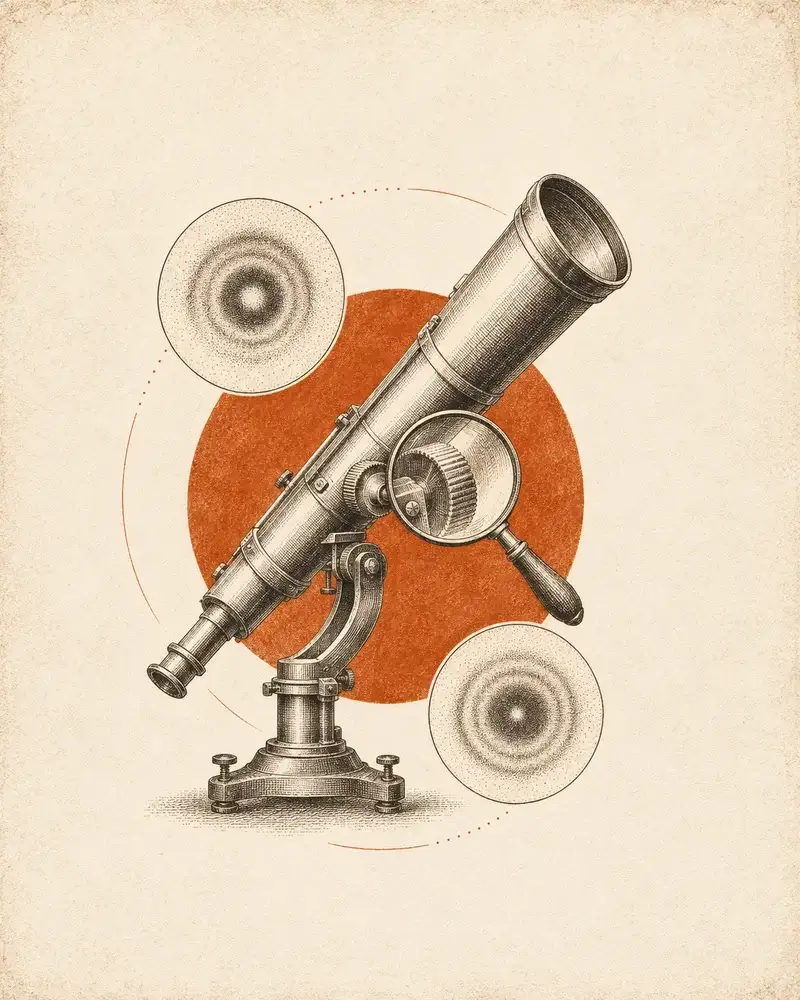
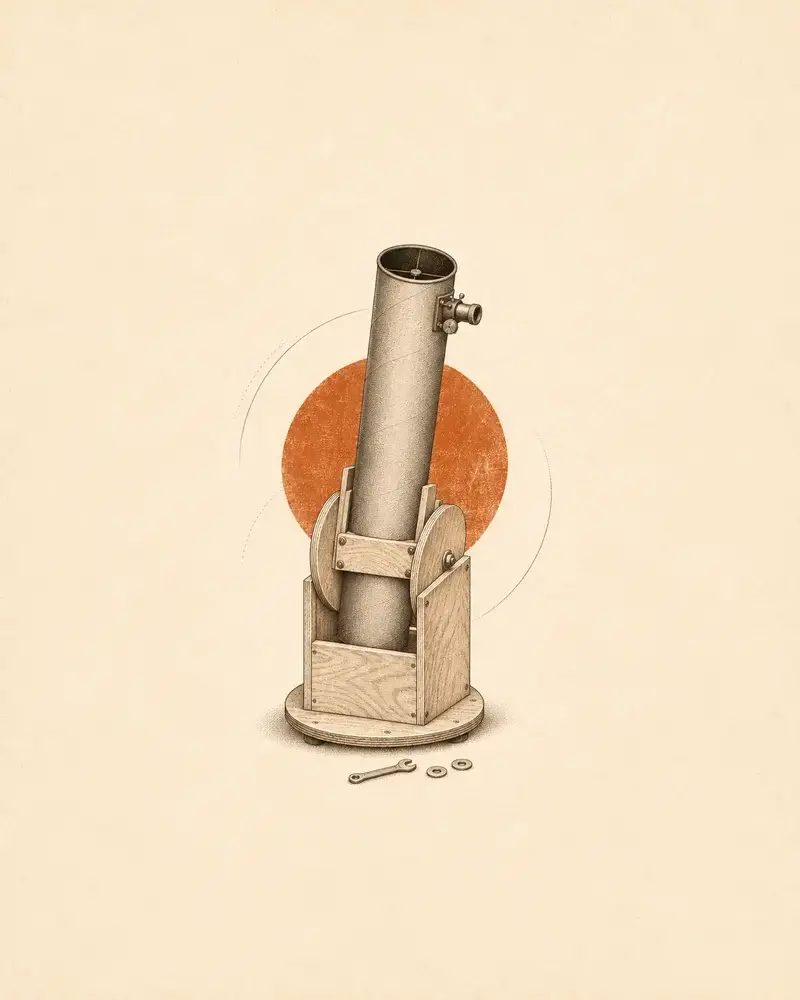
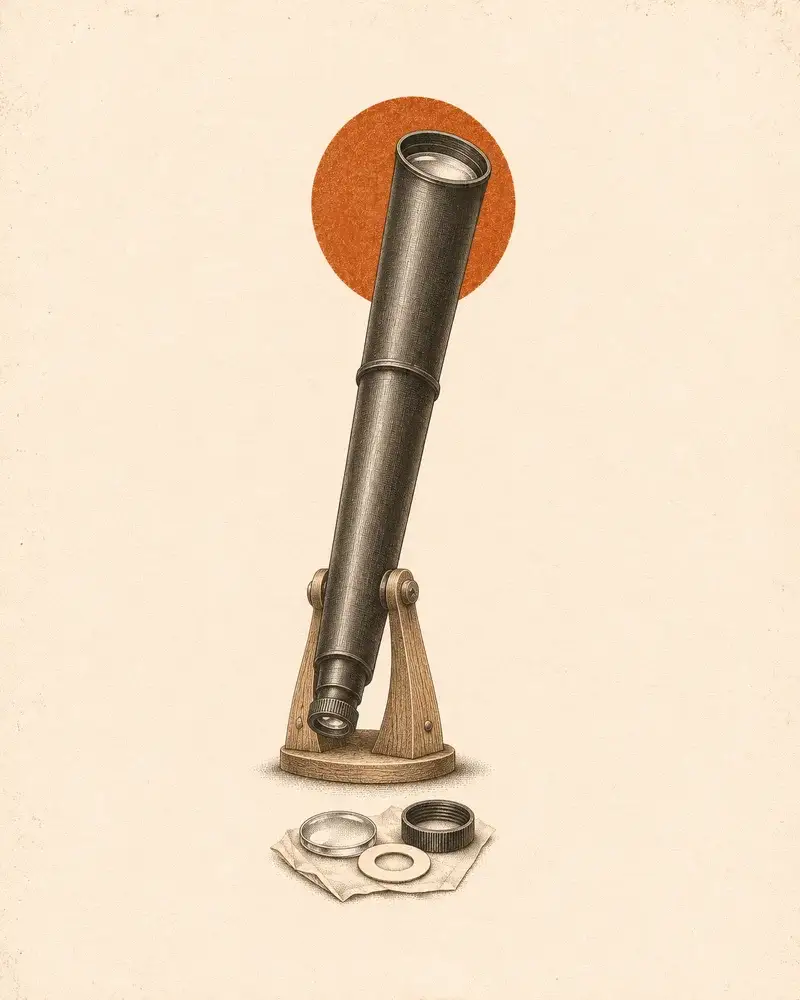
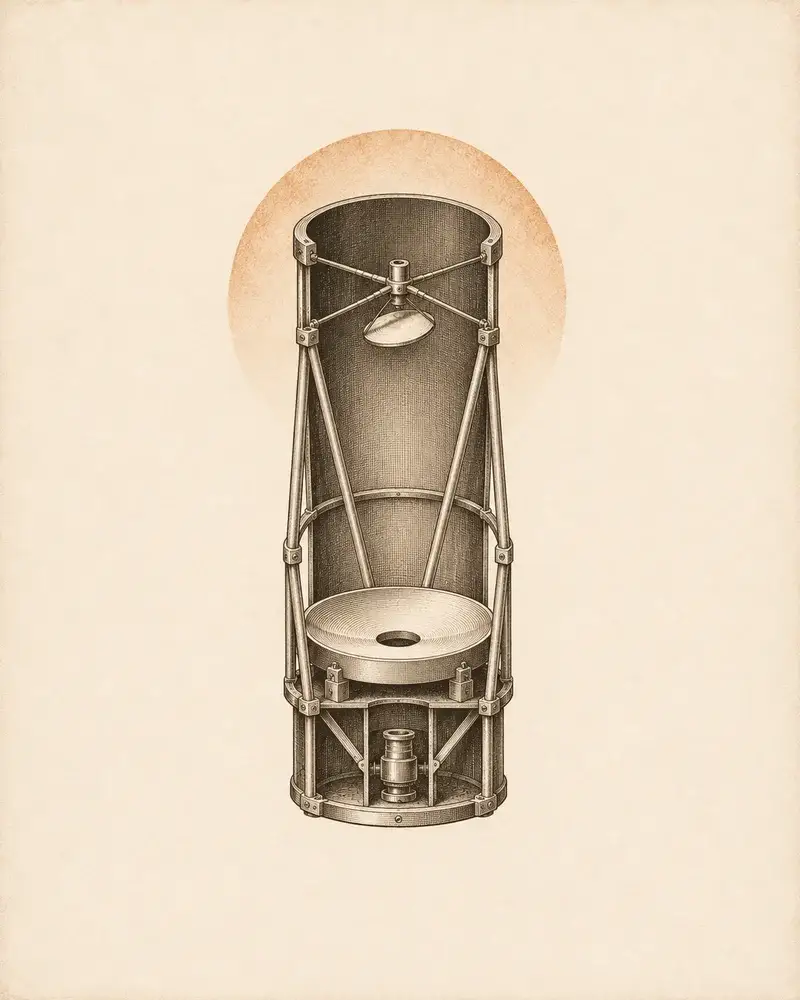
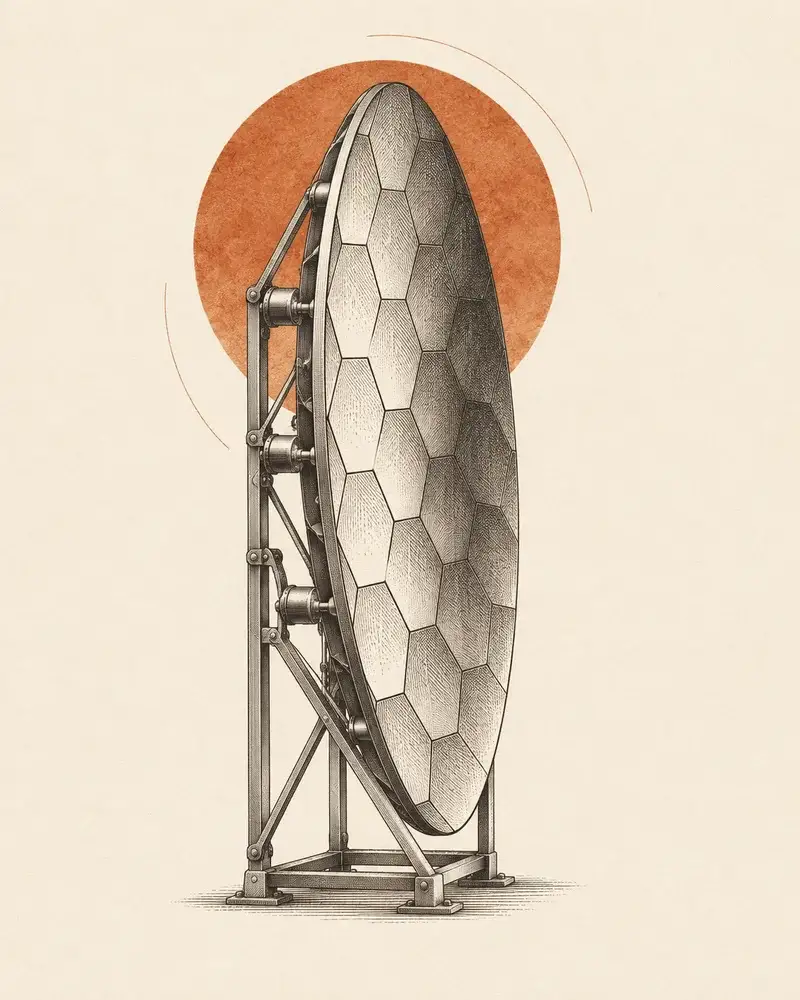
Why a telescope performs poorly: focus, collimation and diagnosis
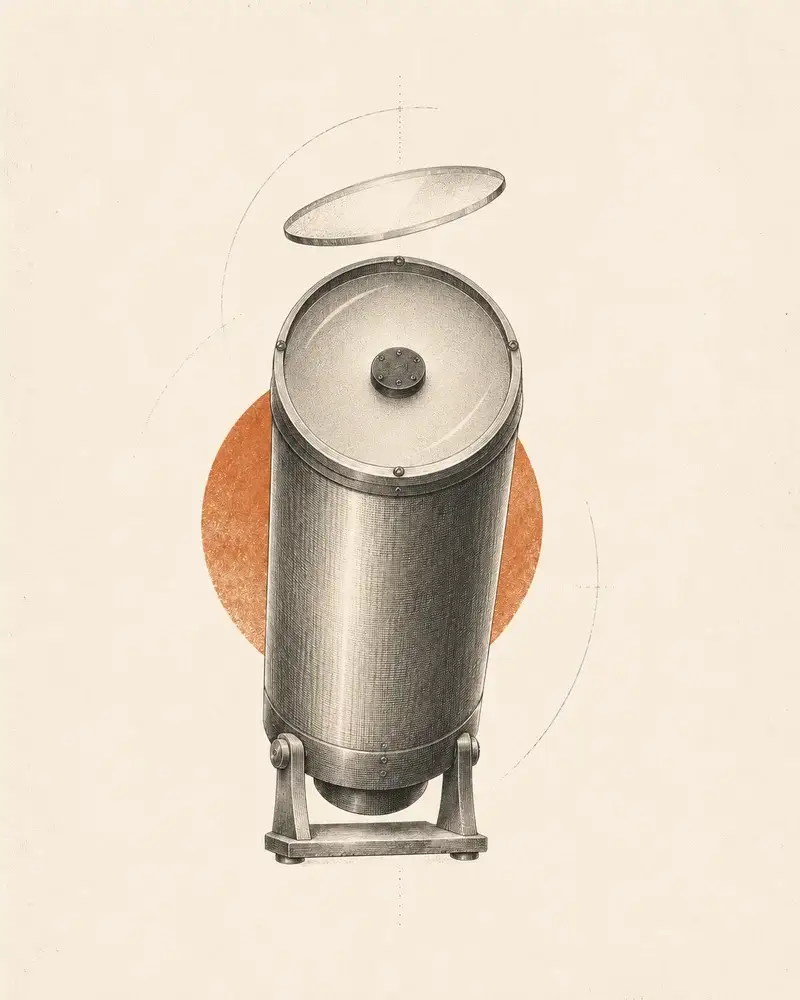
Separate optical defects from air, motion and processing with diagnostic tests, synthetic star patterns and acceptance checks for refractors, Newtonians and Radio JOVE.
Part 32 of 32Telescopes from history to construction: how lenses, mirrors, antennas and detectors turn cosmic signals into knowledge. Optical designs, materials and educational builds.
Separate optical defects from air, motion and processing with diagnostic tests, synthetic star patterns and acceptance checks for refractors, Newtonians and Radio JOVE.
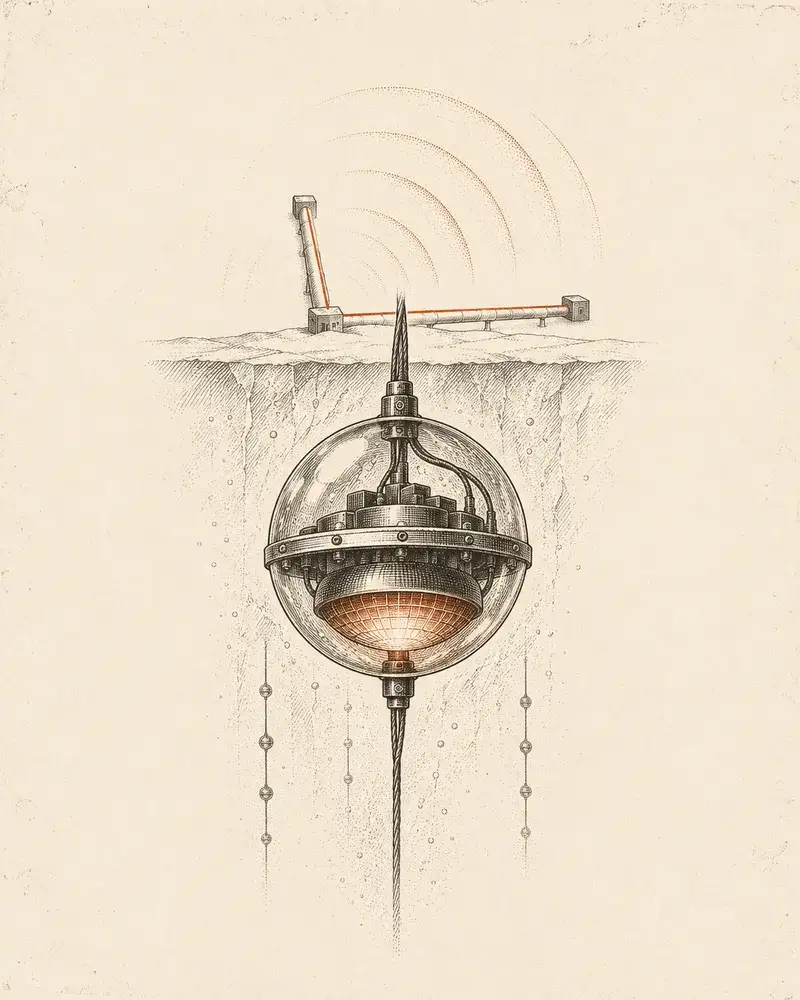
Part 32 of 32How neutrinos and gravitational waves differ from light: IceCube and LIGO construction, manufacturing, calibration and checked teaching diagrams.
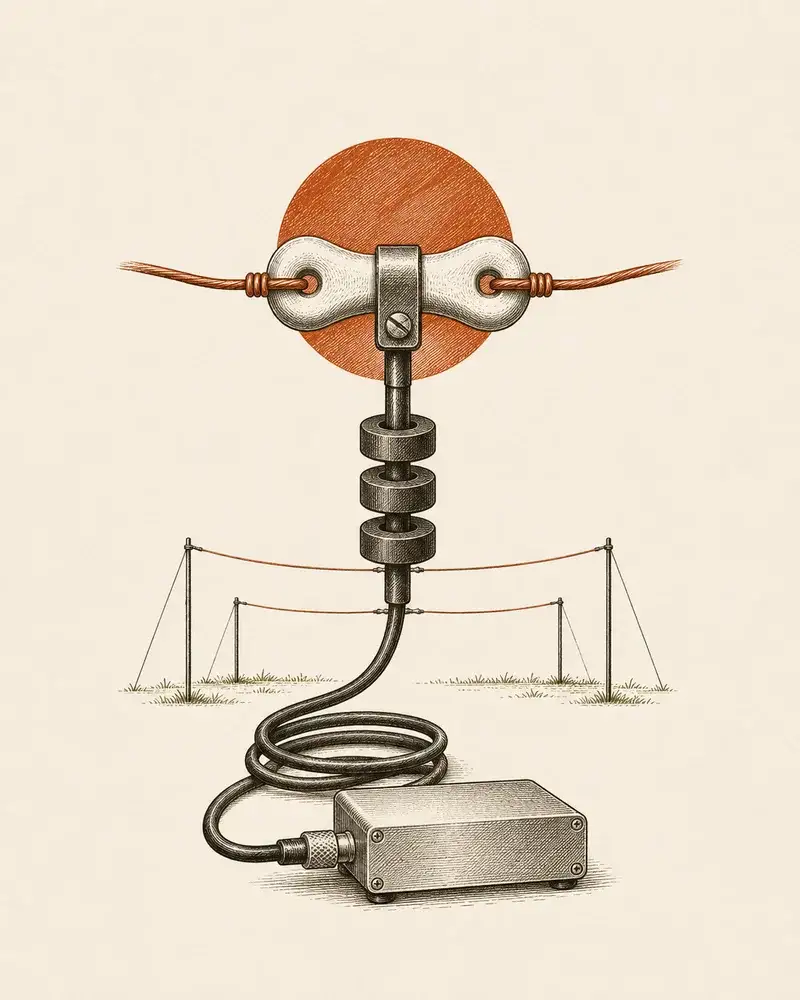
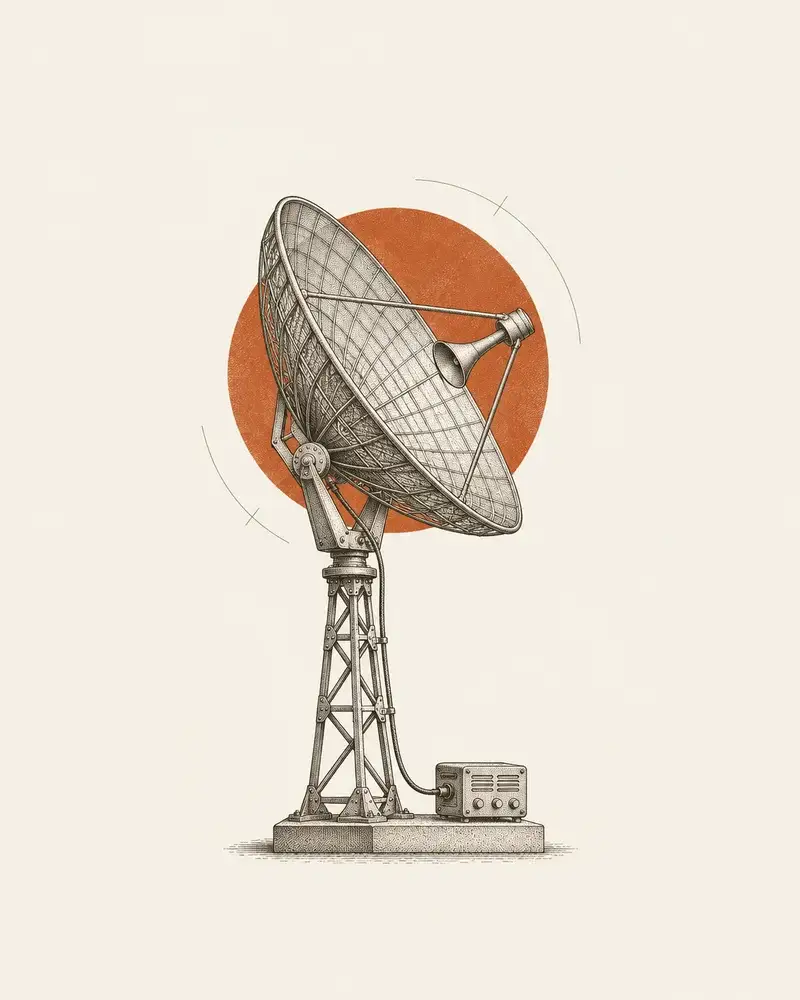
Part 27 of 32Two dipoles, matching feeds and an RSP1B: a documented Radio JOVE build, length calculations, software, calibration and the distinction between noise and celestial signals.
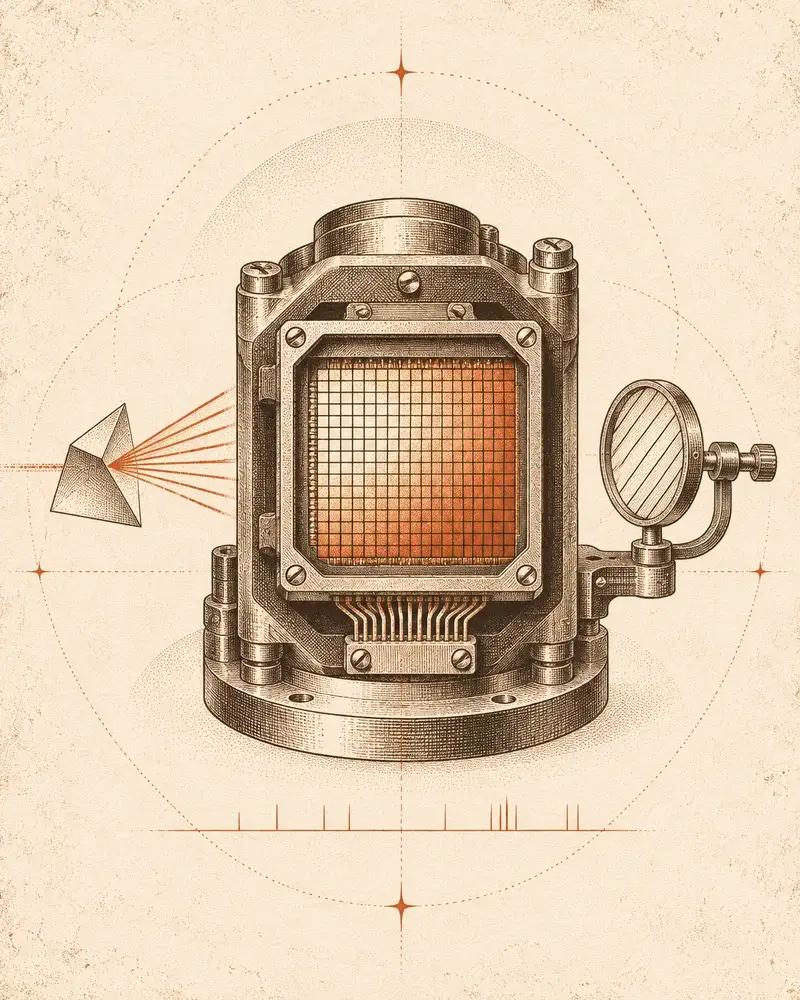
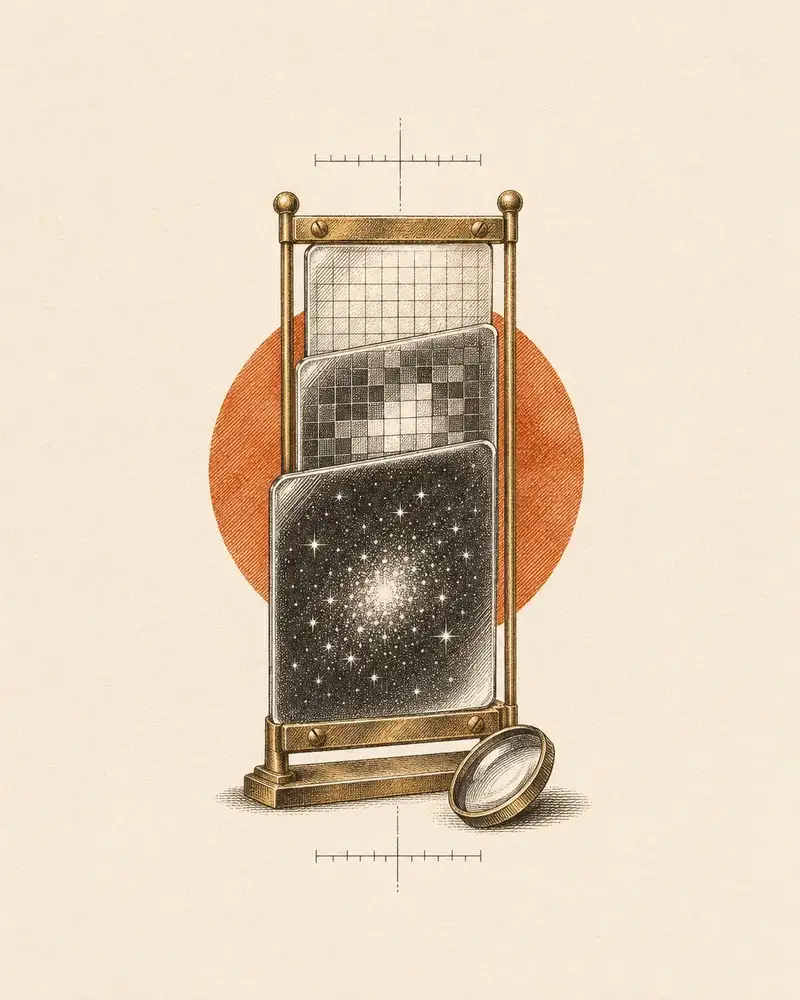
Part 18 of 32How a photon becomes a digital count: CCD, CMOS, infrared arrays, noise, saturation, spectra and polarization with checked diagrams and calculations.
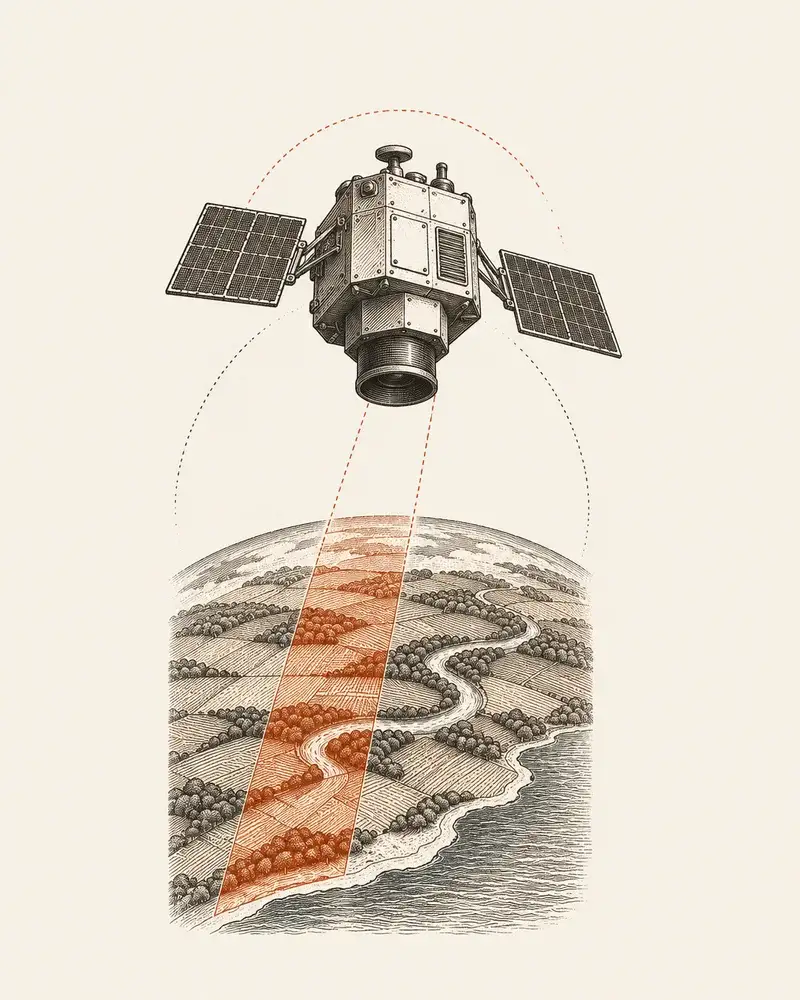
Part 29 of 32How Landsat 8 turns Earth radiation into maps: OLI/TIRS construction, scanning, ground pixel size, spectral bands and calibration.
Part 26 of 32How raw counts become an astronomical image: a real Palomar CCD fragment, bias/dark/flat, masks, noise, registration and explicit assigned colour.
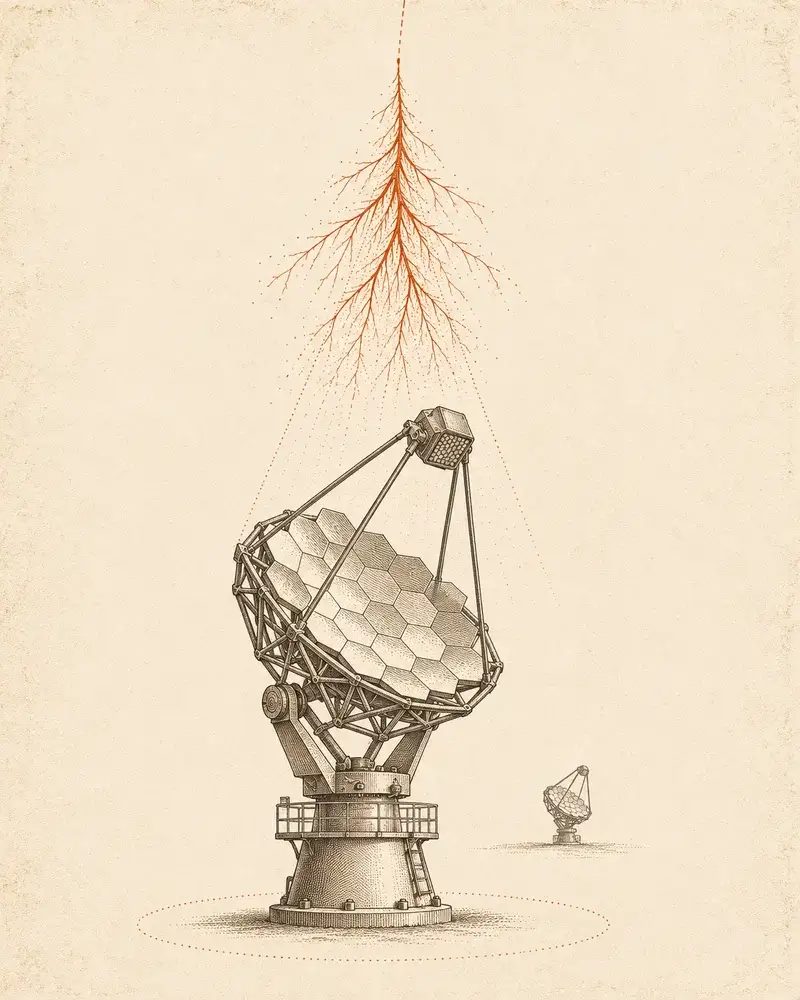
Part 31 of 32How H.E.S.S. and HAWC reconstruct gamma-ray events from secondary signals: mirrors, cameras, triggers, calibration, verified models and CTAO status.
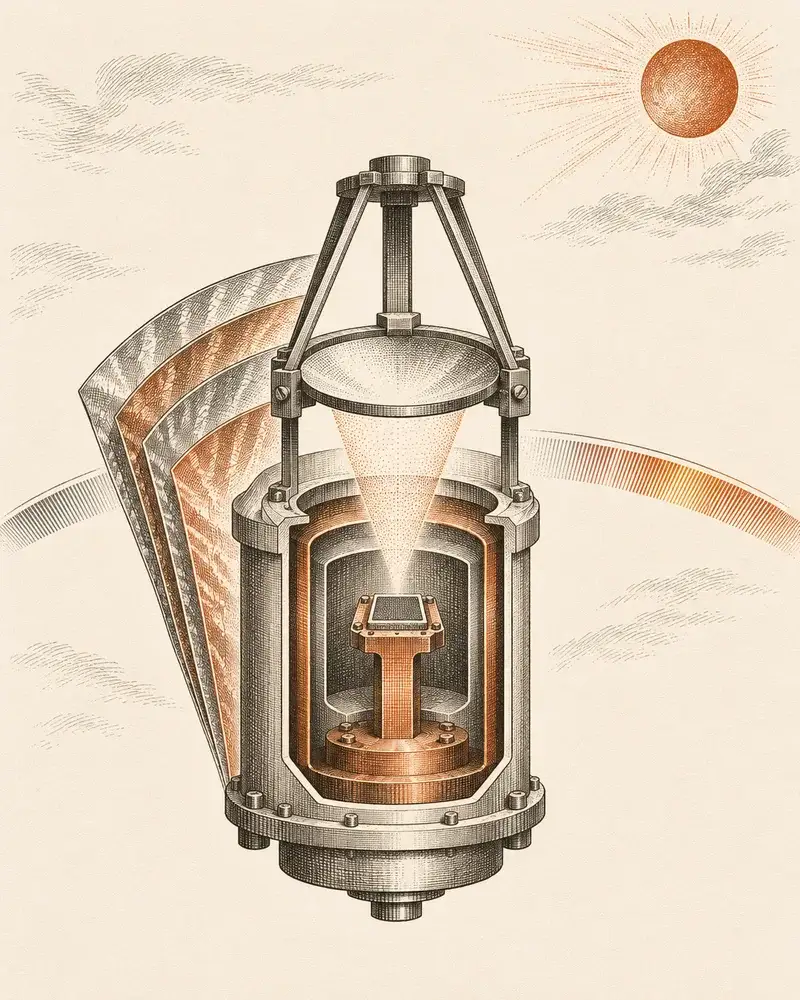
Part 24 of 32Why a telescope emits its own infrared background: VISIR and Webb/MIRI, cold stops, cryostats, sunshields, detectors and testing in the cold.
Part 19 of 32From path difference and correlation to uv coverage and images: array construction, clocks, calibration, VLBI and an honest synthetic example.
Part 17 of 32Meniscus correction, Gregory–Maksutov and Maksutov–Newtonian: exact refraction, reflective spots, manufacture, alignment and thermal blur.
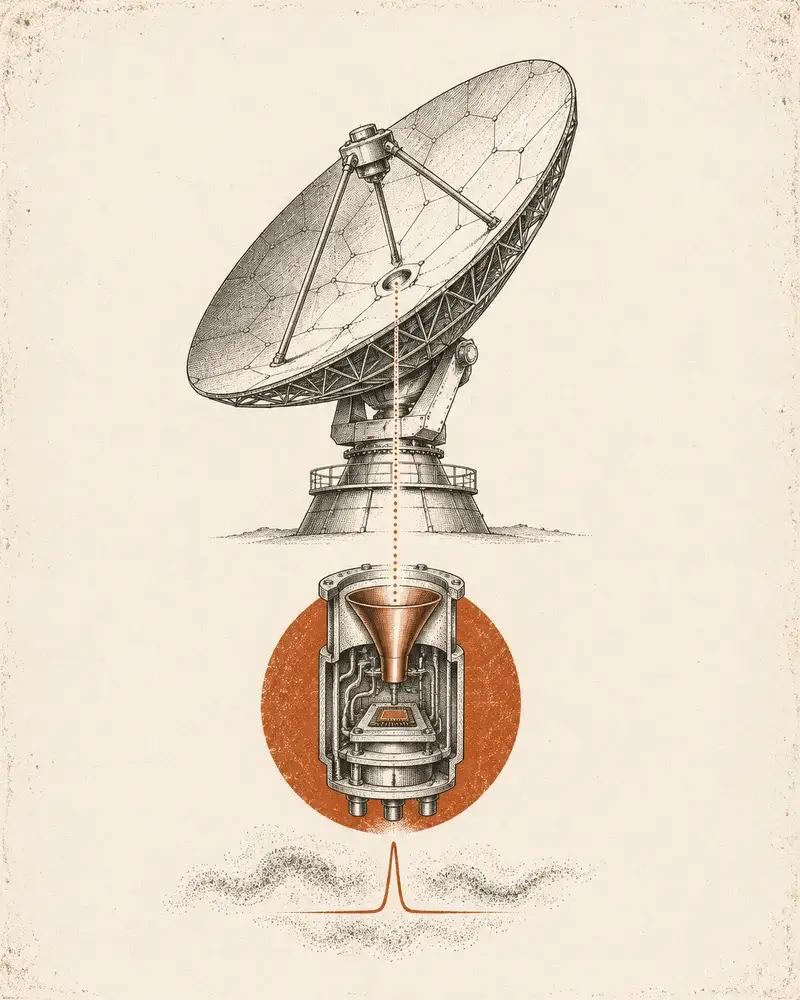
Part 15 of 32How ALMA and Planck/HFI measure molecular lines, dust and background: atmospheric windows, accurate dishes, SIS mixers, bolometers and fabrication.
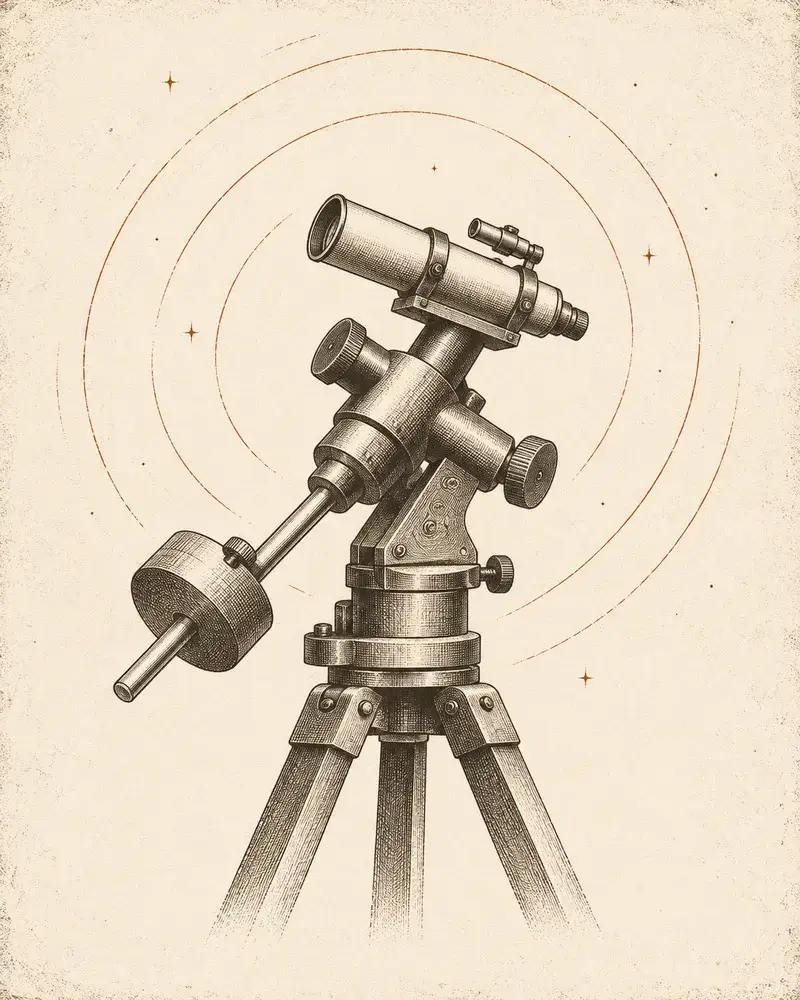
Part 20 of 32How a mount holds a telescope: support history, axes, balance, stiffness, assembly, sidereal tracking and field rotation with checked diagrams.
Part 28 of 32From dipoles and dishes to LNAs, mixers, ADCs and spectra: antenna geometry, noise temperature, the radiometer equation and interference checks.
Part 16 of 32How Schmidt cameras and Schmidt–Cassegrains work: corrector profiles, spherical aberration, folded light paths, curved fields and sensor spacing.
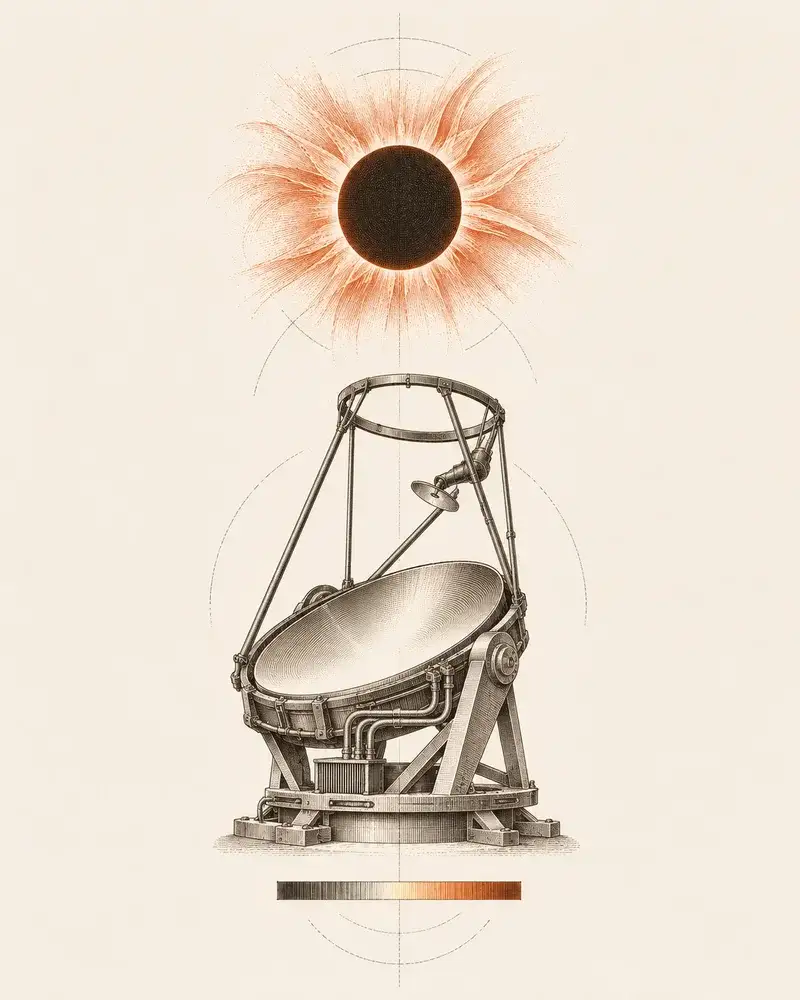
Part 14 of 32How DKIST controls heat, a coronagraph reveals the faint corona and a spectropolarimeter measures light: construction, fabrication, calibration and models.
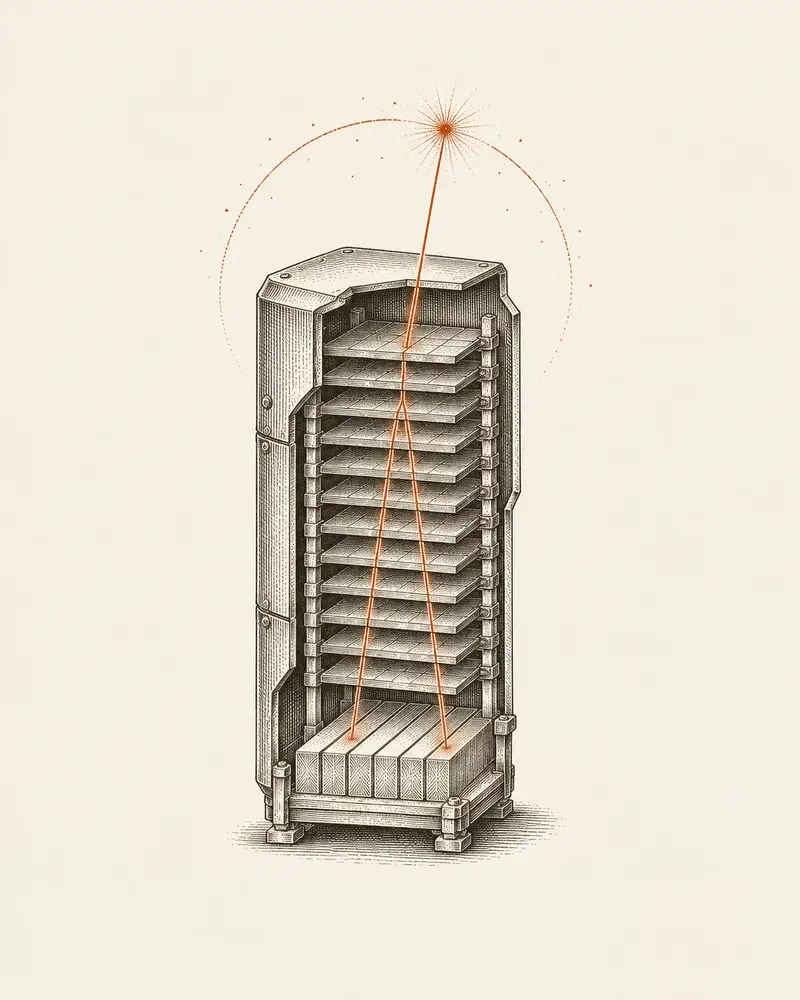
Part 25 of 32How Fermi LAT, COMPTEL and SPI recover gamma-ray directions: materials, assembly, calibration, background and verified teaching models.
Part 23 of 32How optics become a space observatory: spacecraft bus, heat, pointing, cleanliness, integration, environmental tests and lessons from Hubble and Webb.
Part 30 of 32How UV becomes data: atmosphere, mirror coatings and windows, STIS, MAMA photocathodes, CCDs, cleanliness and spectral resolving power.
Part 21 of 32Why X-ray telescopes use nested shells: an exact Wolter-I trace, energy-dependent reflectivity, XMM fabrication, Chandra, NuSTAR and separate optical tests.
Part 22 of 32How dispersion separates colour foci and a combination of glasses brings them closer. Abbe number, doublets, secondary spectrum and the limits of ED and APO labels.
Part 7 of 32A detailed Stellafane Yellow build: ready-made mirrors, focus before cutting, mirror cell, cradle, bearings, balance, stability and collimation.
Part 11 of 32From lens parameters to a sliding tube: parts, cells, focus checks, travel margin and troubleshooting for a documented educational design.
Part 8 of 32Compare three reflectors: secondary shape, intermediate focus, exact rays, effective focal length, aspheric manufacture, aberrations and Hubble’s structure.
Part 12 of 32How large mirrors are supported and phased: segment supports, sensors, deformable mirrors, control latency, and the difference between ELT and Webb.
Part 13 of 32Grinding, polishing, figuring and optical checks: sagitta, Foucault and Ronchi tests, zonal readings, uncertainty, coatings and support.
Part 10 of 32From Newton’s metal mirror to a modern paraboloid: side focus, obstruction, coma, support cells and alignment checks.
Part 9 of 32From aperture area to camera electrons: how losses, diffraction, atmosphere, background and readout shape the result, with a transparent teaching budget.
Part 3 of 32Where an objective forms an image, what an eyepiece does, where the sensor belongs and why focuser travel may run out. Rays, signs and worked examples.
Part 4 of 32Why does a negative eyepiece give an upright view and a positive one an inverted view? Rays, tube length, exit pupils and field in two lens arrangements.
Part 6 of 32From Dutch patent applications in 1608 to radio and orbiting observatories: why telescope lenses, mirrors, recording methods and locations changed.
Part 1 of 32Why a shiny mirror is not enough: materials, figure, polishing, coatings and mounts. Worked examples of thermal expansion and wavefront error.
Part 5 of 32A telescope map without mixed categories: lenses and mirrors, radio and gamma rays, Earth and L2, photography and spectroscopy answer different questions.
Part 2 of 32